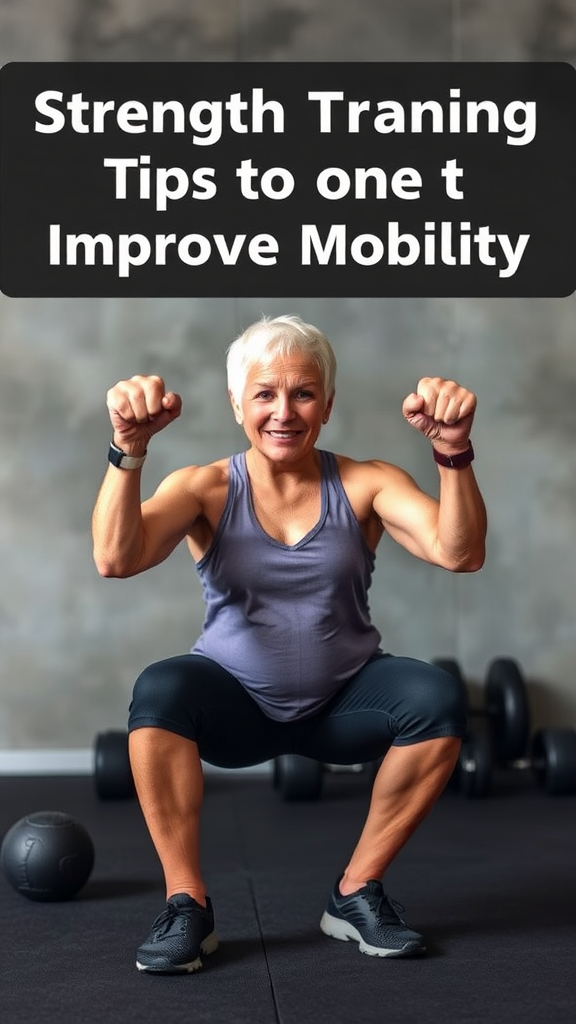
Essential Strength Training Techniques for Senior Mobility Enhancement
As we age, maintaining physical strength and mobility becomes crucial for preserving independence and overall quality of life. Seniors can significantly benefit from targeted strength training techniques that improve muscle tone, balance, and functional movement.
Understanding the Importance of Strength Training for Seniors
Regular exercise helps counteract the natural muscle loss that occurs with aging. By implementing carefully designed strength training routines, older adults can:
- Enhance muscle strength and endurance
- Improve balance and reduce fall risks
- Boost metabolic function
- Increase bone density
- Support joint health and flexibility
Safe and Effective Resistance Training Approaches
Seniors should start with low-impact resistance exercises that minimize joint stress while promoting muscle development. Bodyweight exercises, resistance bands, and light dumbbells offer excellent options for building strength without excessive strain.
Recommended Equipment for Senior Strength Training
- Resistance bands with varying tension levels
- Light dumbbells (2-5 pounds)
- Stability balls
- Chair or wall for support during exercises
Key Muscle Group Targeting Strategies
Focusing on specific muscle groups can dramatically improve overall mobility and functional movement. Prioritize exercises that engage:
🌟 Discover the secret to staying active, strong, and energized in your 70s with Superhuman at 70. This scientifically-backed supplement supports healthy circulation and vitality, helping you feel your best every day. 💪 Ready to take charge of your health? Learn more and get started today! 🌱
👉 Click here to explore Superhuman at 70 and experience the benefits for yourself. 🚀
- Leg muscles for stability and walking support
- Core muscles for balance and posture
- Upper body muscles for daily activity performance
Foundational Exercises for Senior Mobility
Consider incorporating these gentle yet effective movements:
- Chair Squats: Builds lower body strength with minimal joint stress
- Wall Push-ups: Develops upper body strength safely
- Seated Leg Extensions: Improves quadricep muscle engagement
- Resistance Band Pulls: Enhances shoulder and arm muscle strength
Progressive Training Principles
Gradual progression is key to preventing injury and maintaining motivation. Start with lighter resistance and fewer repetitions, slowly increasing intensity as strength improves. Aim for 2-3 training sessions per week, allowing adequate recovery time between workouts.
Safety Considerations
Before beginning any strength training program, seniors should:
- Consult with healthcare professionals
- Get comprehensive medical clearance
- Listen to their body's signals
- Stop immediately if experiencing pain
Integrating Balance and Mobility Exercises
Combine strength training with balance-specific movements to create comprehensive mobility enhancement. Incorporate exercises like single-leg stands, heel-to-toe walks, and stability ball movements to improve overall functional fitness.
🌟 Discover the secret to staying active, strong, and energized in your 70s with Superhuman at 70. This scientifically-backed supplement supports healthy circulation and vitality, helping you feel your best every day. 💪 Ready to take charge of your health? Learn more and get started today! 🌱
👉 Click here to explore Superhuman at 70 and experience the benefits for yourself. 🚀
Mental Engagement and Motivation
Strength training isn't just physical—it's also a mental journey. Consider joining group classes or working with a specialized senior fitness instructor to maintain motivation and ensure proper technique.
By adopting a consistent, carefully designed strength training routine, seniors can significantly improve mobility, independence, and overall quality of life. Remember that progress is personal, and every small improvement contributes to greater physical capability and confidence.
Safety Strategies and Progressive Exercise Approaches for Older Adults
As we age, maintaining physical fitness becomes increasingly important for overall health and quality of life. Older adults can significantly benefit from carefully designed strength training programs that prioritize safety and gradual progression. The key is to approach exercise with intelligence and caution, understanding the unique needs of the aging body.
Understanding Physical Limitations and Potential
Seniors often face challenges such as reduced muscle mass, decreased bone density, and limited flexibility. However, these challenges can be effectively addressed through targeted strength training approaches. The most successful programs focus on building muscle strength, improving balance, and enhancing overall mobility without risking injury.
🌟 Discover the secret to staying active, strong, and energized in your 70s with Superhuman at 70. This scientifically-backed supplement supports healthy circulation and vitality, helping you feel your best every day. 💪 Ready to take charge of your health? Learn more and get started today! 🌱
👉 Click here to explore Superhuman at 70 and experience the benefits for yourself. 🚀
Essential Preparation Steps
- Consult with a healthcare professional before starting any new exercise routine
- Get a comprehensive medical evaluation
- Identify any existing physical limitations
- Develop a personalized exercise plan
Progressive Exercise Techniques
Implementing a progressive approach is crucial for seniors engaging in strength training. This means starting with low-intensity exercises and gradually increasing difficulty as strength and confidence improve. Bodyweight exercises provide an excellent starting point, allowing individuals to build strength using their own body resistance.
Recommended Beginner Exercises
- Chair squats
- Wall push-ups
- Seated leg lifts
- Resistance band exercises
Safety Considerations for Senior Strength Training
Safety should always be the primary concern when designing an exercise program for older adults. Proper form, controlled movements, and appropriate equipment can help prevent potential injuries. Using lighter weights with higher repetitions allows for muscle development while minimizing strain.
Critical Safety Strategies
- Use stable support structures when performing exercises
- Wear appropriate supportive footwear
- Stay hydrated during workout sessions
- Listen to your body and avoid overexertion
Equipment and Support Systems
Selecting the right equipment can make a significant difference in a senior's strength training journey. Resistance bands, lightweight dumbbells, and stability balls offer versatile options for low-impact strength training. Additionally, many fitness centers now offer specialized classes and equipment designed specifically for older adults.
Recommended Equipment
- Adjustable dumbbells with light weight ranges
- Elastic resistance bands
- Stability balls
- Padded exercise mats
Monitoring Progress and Adapting
Regular assessment of physical capabilities is essential for older adults engaging in strength training. Tracking improvements in strength, balance, and mobility helps motivate continued participation and allows for necessary modifications to the exercise routine.
🌟 Discover the secret to staying active, strong, and energized in your 70s with Superhuman at 70. This scientifically-backed supplement supports healthy circulation and vitality, helping you feel your best every day. 💪 Ready to take charge of your health? Learn more and get started today! 🌱
👉 Click here to explore Superhuman at 70 and experience the benefits for yourself. 🚀
Tracking Methods
- Keep a detailed exercise journal
- Perform periodic fitness assessments
- Work with a professional trainer experienced in senior fitness
- Adjust exercises based on physical response
By approaching strength training with patience, careful planning, and a focus on individual capabilities, seniors can dramatically improve their physical health, maintain independence, and enhance overall quality of life. The journey of fitness is personal and unique, requiring a tailored approach that respects individual limitations while pushing toward improved strength and mobility.
Conclusion
Embracing strength training as a senior is more than just an exercise routine—it's a pathway to maintaining independence, vitality, and quality of life. By implementing the techniques and safety strategies discussed, older adults can dramatically improve their mobility, reduce injury risks, and enhance overall physical function.
The journey of strength training is deeply personal and requires patience, consistency, and a tailored approach. Each carefully selected exercise and progressive movement contributes to building muscle strength, improving balance, and increasing confidence in daily activities. The key is not to compare oneself with others, but to focus on individual progress and celebrate small victories.
Older adults who commit to a structured strength training program can experience transformative benefits. These include increased muscle mass, better joint stability, enhanced bone density, and improved metabolic health. Moreover, the psychological advantages are equally significant—reduced anxiety, increased self-esteem, and a sense of accomplishment.
Remember that starting is often the most challenging step. Consulting healthcare professionals, working with trained fitness experts, and listening to your body are critical components of a successful strength training journey. Modifications and adaptations are not signs of weakness but intelligent strategies for sustainable fitness.
🌟 Discover the secret to staying active, strong, and energized in your 70s with Superhuman at 70. This scientifically-backed supplement supports healthy circulation and vitality, helping you feel your best every day. 💪 Ready to take charge of your health? Learn more and get started today! 🌱
👉 Click here to explore Superhuman at 70 and experience the benefits for yourself. 🚀
As you continue to develop your strength training routine, remain adaptable, stay motivated, and prioritize safety. Your mobility and independence are worth the investment of time and effort. With consistent practice and a positive mindset, seniors can unlock remarkable potential for physical resilience and active aging.
Comments
Post a Comment