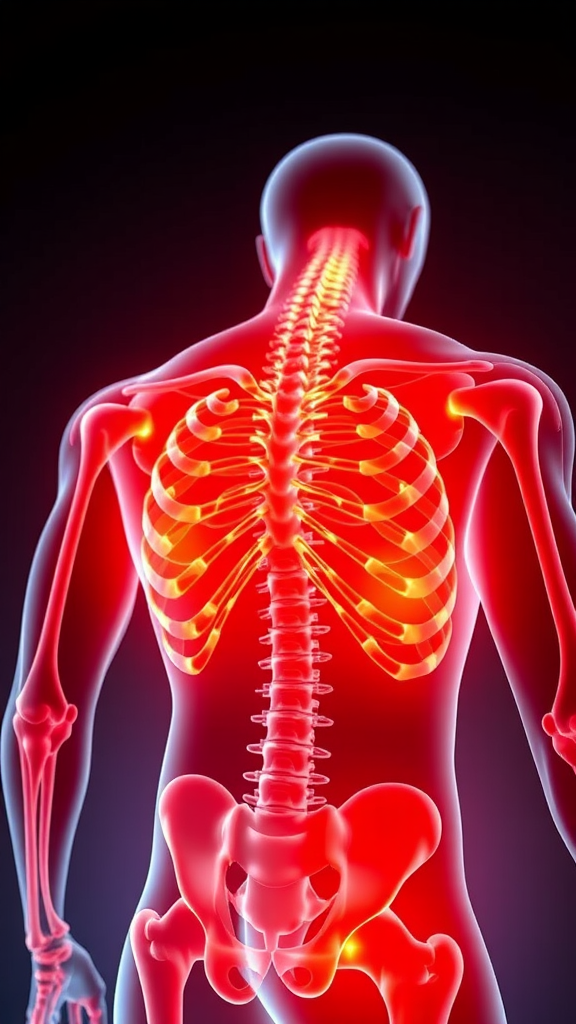
The Role of Nitric Oxide in Bone Metabolism and Density
As we age, maintaining strong and healthy bones becomes increasingly crucial for overall well-being and mobility. Recent scientific research has uncovered an exciting connection between nitric oxide and bone health that offers promising insights for individuals looking to preserve their skeletal strength.
Nitric oxide, a small but powerful molecule produced naturally in the body, plays a significant role in bone metabolism and density. This remarkable compound helps regulate various biological processes that directly impact bone formation, maintenance, and overall skeletal health.
Understanding Nitric Oxide's Impact on Bone Cells
Bone metabolism is a complex process involving two primary cell types: osteoblasts (bone-building cells) and osteoclasts (bone-resorbing cells). Nitric oxide acts as a critical signaling molecule that helps balance the activity of these cells, ensuring proper bone remodeling and maintenance.
- Stimulates bone formation by enhancing osteoblast activity
- Regulates bone resorption by modulating osteoclast function
- Promotes healthy bone mineral density
- Supports bone healing and regeneration processes
Mechanisms of Nitric Oxide in Bone Health
The molecular interactions of nitric oxide within bone tissue are intricate and multifaceted. By influencing cellular signaling pathways, this molecule helps prevent excessive bone breakdown and supports the natural regeneration of bone tissue.
🌟 Discover the secret to staying active, strong, and energized in your 70s with Superhuman at 70. This scientifically-backed supplement supports healthy circulation and vitality, helping you feel your best every day. 💪 Ready to take charge of your health? Learn more and get started today! 🌱
👉 Click here to explore Superhuman at 70 and experience the benefits for yourself. 🚀
Key Physiological Effects
- Enhances blood circulation to bone tissues
- Reduces inflammation that can negatively impact bone health
- Supports collagen production essential for bone strength
- Improves calcium absorption and bone mineralization
Age-Related Bone Changes and Nitric Oxide
As individuals grow older, natural declines in nitric oxide production can contribute to reduced bone density and increased fracture risk. This makes understanding and potentially supporting nitric oxide levels increasingly important for maintaining skeletal health during aging.
Factors Affecting Nitric Oxide Production
- Reduced enzyme efficiency with age
- Decreased nutritional intake
- Reduced physical activity
- Hormonal changes
Natural Ways to Support Nitric Oxide Production
Individuals can take proactive steps to support nitric oxide levels and promote bone health through strategic lifestyle and dietary choices. Regular exercise, consuming nitrate-rich foods, and maintaining overall cardiovascular health can help optimize nitric oxide production.
Recommended Strategies
- Engage in weight-bearing exercises
- Consume leafy green vegetables
- Include beetroot and other nitrate-rich foods in diet
- Maintain adequate vitamin D and calcium intake
- Consider supervised supplementation
Potential Therapeutic Implications
Emerging research suggests that targeted nitric oxide interventions could offer promising therapeutic approaches for managing bone-related conditions such as osteoporosis. Scientists continue to explore innovative strategies that harness the molecule's potential for bone health maintenance.
While more research is needed to fully understand the complex relationship between nitric oxide and bone metabolism, current evidence demonstrates its significant role in maintaining skeletal strength and resilience throughout the aging process.
🌟 Discover the secret to staying active, strong, and energized in your 70s with Superhuman at 70. This scientifically-backed supplement supports healthy circulation and vitality, helping you feel your best every day. 💪 Ready to take charge of your health? Learn more and get started today! 🌱
👉 Click here to explore Superhuman at 70 and experience the benefits for yourself. 🚀
Age-Related Bone Loss: Strategies for Maintaining Skeletal Strength
As we journey through life, our bones undergo significant changes that can impact overall health and mobility. Understanding the intricate process of bone metabolism becomes crucial for maintaining skeletal strength and preventing age-related deterioration.
The Science Behind Bone Density Changes
Your skeletal system is a dynamic network constantly undergoing renewal and regeneration. With advancing age, the delicate balance between bone formation and breakdown becomes disrupted, leading to potential weakening of bone structure. This natural process can accelerate bone loss, making individuals more susceptible to fractures and reduced mobility.
Critical Factors Influencing Bone Health
- Hormonal changes
- Nutritional deficiencies
- Sedentary lifestyle
- Genetic predispositions
- Chronic inflammatory conditions
Nutritional Strategies for Bone Preservation
Proper nutrition plays a fundamental role in maintaining bone density. Calcium and vitamin D are essential, but they're not the only nutrients supporting skeletal health. Emerging research highlights the importance of:
- Protein intake for bone matrix formation
- Magnesium for bone mineral density
- Vitamin K for calcium regulation
- Trace minerals like zinc and boron
Exercise and Bone Strength
Physical activity serves as a powerful stimulus for bone remodeling. Weight-bearing exercises and resistance training stimulate bone-forming cells, encouraging increased bone density. Activities like walking, dancing, and strength training can significantly slow down age-related bone loss.
🌟 Discover the secret to staying active, strong, and energized in your 70s with Superhuman at 70. This scientifically-backed supplement supports healthy circulation and vitality, helping you feel your best every day. 💪 Ready to take charge of your health? Learn more and get started today! 🌱
👉 Click here to explore Superhuman at 70 and experience the benefits for yourself. 🚀
Hormonal Influences on Bone Metabolism
Hormonal shifts, particularly during menopause and andropause, dramatically impact bone density. Estrogen and testosterone play crucial roles in maintaining bone mineral content. When these hormone levels decline, bone resorption can outpace bone formation, leading to increased fragility.
Lifestyle Modifications for Bone Health
Beyond nutrition and exercise, several lifestyle choices can protect your skeletal system:
- Limit alcohol consumption
- Quit smoking
- Manage stress effectively
- Maintain a healthy body weight
- Ensure adequate sleep
Supplementation and Bone Support
While whole foods should be the primary source of nutrients, targeted supplementation can provide additional bone health support. Consult healthcare professionals about potential supplements like calcium, vitamin D, and trace minerals that might benefit your specific needs.
Medical Monitoring and Prevention
Regular bone density screenings can help track skeletal health and identify potential risks early. Diagnostic tools like DEXA scans provide comprehensive insights into bone mineral density, enabling proactive interventions and personalized prevention strategies.
🌟 Discover the secret to staying active, strong, and energized in your 70s with Superhuman at 70. This scientifically-backed supplement supports healthy circulation and vitality, helping you feel your best every day. 💪 Ready to take charge of your health? Learn more and get started today! 🌱
👉 Click here to explore Superhuman at 70 and experience the benefits for yourself. 🚀
Understanding Bone Remodeling Mechanisms
Bone is a living tissue continuously undergoing microscopic changes. Osteoblasts build new bone while osteoclasts break down old bone tissue. Maintaining a balanced environment where these processes work harmoniously is key to preserving skeletal strength throughout aging.
By implementing comprehensive strategies addressing nutrition, exercise, lifestyle, and medical monitoring, individuals can significantly mitigate age-related bone loss. Proactive approaches tailored to personal health profiles offer the most effective path to maintaining robust skeletal health.
Conclusion
Protecting your bone health as you age requires a multi-faceted approach, with nitric oxide emerging as a critical yet often overlooked component. The intricate relationship between nitric oxide and bone metabolism underscores the importance of strategies that support both molecular processes and overall skeletal strength.
Maintaining robust bones isn't just about calcium intake or resistance training—it's about understanding the sophisticated biological mechanisms that preserve bone density. Nitric oxide plays a pivotal role in this process, actively participating in bone formation, remodeling, and preventing age-related deterioration.
For individuals concerned about bone health, integrating nitric oxide-boosting practices into daily life can yield significant long-term benefits. Simple lifestyle modifications like consuming nitrate-rich foods, engaging in regular exercise, and managing stress can naturally enhance nitric oxide production. These interventions work synergistically to support bone metabolism and mitigate the risk of conditions like osteoporosis.
🌟 Discover the secret to staying active, strong, and energized in your 70s with Superhuman at 70. This scientifically-backed supplement supports healthy circulation and vitality, helping you feel your best every day. 💪 Ready to take charge of your health? Learn more and get started today! 🌱
👉 Click here to explore Superhuman at 70 and experience the benefits for yourself. 🚀
As research continues to unveil the complex interactions between nitric oxide and bone health, proactive individuals have an opportunity to take charge of their skeletal wellness. By adopting a holistic approach that combines targeted nutrition, consistent physical activity, and an understanding of biochemical processes, you can effectively counteract the natural bone density decline associated with aging.
Remember, bone health is not a passive journey but an active commitment to your overall well-being. Embracing these insights about nitric oxide's role can empower you to make informed decisions that support strong, resilient bones throughout your lifetime.
Comments
Post a Comment