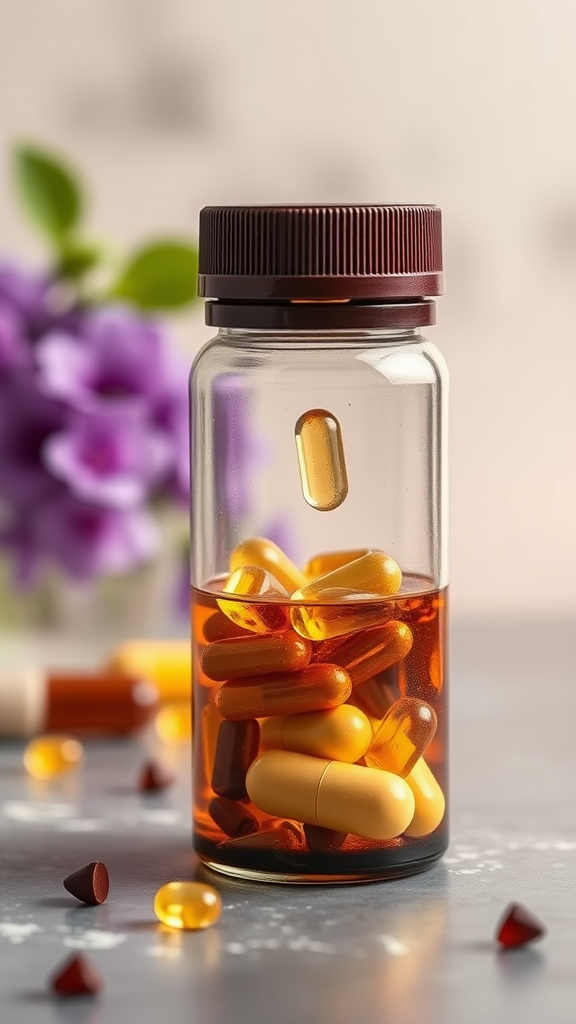
Liquid vs. Capsule Herbal Supplement Absorption Mechanisms
When exploring herbal supplement effectiveness, understanding absorption mechanisms becomes crucial for maximizing health benefits. Different delivery methods significantly impact how efficiently your body can utilize nutritional compounds.
Comparing Molecular Pathways
Liquid herbal supplements offer unique advantages in bioavailability compared to traditional capsule formats. Their molecular structure allows for faster and more direct absorption through the digestive system. The liquid state enables immediate interaction with intestinal walls, reducing processing time and enhancing nutrient uptake.
Absorption Speed Factors
Liquid supplements typically demonstrate: • Faster metabolic processing • Increased cellular penetration • Reduced digestive system barriers • More immediate nutrient distribution
Capsule-based herbal supplements require additional breakdown processes. The gelatin or vegetable-based shell must first dissolve before active ingredients can be released, creating a potential delay in absorption mechanisms.
Biochemical Interaction Dynamics
Molecular solubility plays a critical role in determining supplement effectiveness. Liquid formulations inherently possess greater molecular mobility, enabling more efficient cellular penetration. This characteristic allows for enhanced enzymatic interactions and faster nutrient transportation throughout bodily systems.
Cellular Uptake Mechanisms
Liquid herbal extracts demonstrate superior cellular interaction through: • Enhanced molecular dispersion • Reduced enzymatic conversion requirements • Direct mucosal membrane absorption • Minimized structural complexity
Capsule-based supplements often require additional metabolic processing, potentially reducing overall nutrient availability. The encapsulation process creates an extra barrier that can diminish active ingredient potency.
Physiological Absorption Considerations
Individual metabolic variations significantly influence supplement effectiveness. Factors such as age, digestive health, and genetic predispositions impact how efficiently nutrients are absorbed and utilized by the body.
Liquid supplements provide more controlled dosage precision, allowing for more targeted nutrient delivery. The ability to adjust volume and concentration offers greater flexibility in meeting specific physiological requirements.
Metabolic Performance Indicators
Key absorption performance metrics include: • Rate of nutrient cellular integration • Metabolic conversion efficiency • Systemic bioavailability percentage • Enzymatic interaction potential
Capsule supplements might experience reduced absorption rates due to additional digestive system challenges. The protective shell requires complete dissolution before active ingredients can be processed, potentially limiting immediate nutritional benefits.
Strategic Supplementation Approaches
Selecting between liquid and capsule formats requires comprehensive understanding of individual health goals. Consider personal digestive efficiency, specific nutrient requirements, and potential metabolic limitations when choosing supplement delivery methods.
Consulting healthcare professionals can provide personalized insights into optimal supplement absorption strategies. Comprehensive metabolic assessments help determine which delivery mechanism aligns best with individual physiological needs.
Personalized Nutritional Optimization
Recommended evaluation criteria include: • Current digestive system functionality • Specific nutritional deficiencies • Metabolic processing capabilities • Individual absorption potential
Understanding these intricate absorption mechanisms empowers individuals to make informed decisions about herbal supplement consumption. By recognizing the nuanced differences between liquid and capsule formats, consumers can strategically optimize their nutritional intake for maximum health benefits.
Advanced Strategies for Maximizing Nutrient Bioavailability
When it comes to optimizing your body's nutrient absorption, understanding the intricate mechanisms of supplement intake can transform your health strategy. Modern nutritional science reveals that not all supplement forms are created equal, and strategic consumption can significantly enhance how your body processes essential nutrients.
Understanding Bioavailability Fundamentals
Nutrient bioavailability represents the proportion of consumed nutrients that your body can effectively absorb and utilize. Multiple factors influence this critical process, including:
- Supplement formulation
- Individual metabolic characteristics
- Concurrent food intake
- Timing of consumption
Optimal Absorption Techniques
Sophisticated supplement consumers recognize that absorption isn't just about consuming nutrients, but maximizing their cellular utilization. Strategic approaches can dramatically improve nutrient uptake, transforming your supplementation from passive to precision-driven.
Molecular Delivery Mechanisms
Advanced supplement technologies now offer enhanced molecular delivery systems that significantly improve nutrient transportation. Liposomal encapsulation, for instance, creates protective molecular structures that shield nutrients from digestive degradation, ensuring higher percentages reach targeted cellular destinations.
Synergistic Nutrient Combinations
Certain nutrients work more effectively when consumed together. For example, vitamin D absorption increases dramatically when paired with healthy fat sources, while iron uptake improves with vitamin C co-consumption. Understanding these molecular interactions allows for more intelligent supplementation strategies.
Personalized Absorption Optimization
Individual metabolic variations mean that standard supplementation protocols might not work identically for everyone. Genetic factors, gut microbiome composition, and overall health status significantly impact nutrient absorption rates.
Targeted Supplementation Strategies
- Consider genetic testing to understand personal metabolic pathways
- Monitor blood nutrient levels periodically
- Adjust supplement timing based on individual metabolic rhythms
- Integrate probiotics to enhance gut absorption capabilities
Technological Innovations in Nutrient Delivery
Cutting-edge research continues to develop more sophisticated supplement delivery methods. Nanotechnology and advanced molecular engineering are creating unprecedented opportunities for improving nutrient bioavailability.
Emerging Absorption Enhancement Techniques
Innovative approaches like micronization and chelation are revolutionizing how nutrients interact with human physiological systems. These techniques reduce particle size and enhance molecular bonding, allowing for more efficient cellular absorption.
Practical Implementation Recommendations
To maximize nutrient absorption, consider implementing a holistic approach that combines strategic supplementation with lifestyle modifications. Factors such as consistent hydration, balanced nutrition, and regular physical activity can significantly enhance overall nutrient utilization.
Monitoring and Adaptation
Regular health assessments and blood panel screenings provide crucial insights into your body's nutrient absorption efficacy. By tracking your metabolic responses, you can continuously refine your supplementation strategy for optimal results.
Ultimately, understanding and leveraging advanced nutrient absorption techniques represents a sophisticated approach to personal health optimization. By embracing scientific insights and personalized strategies, individuals can transform their supplementation from a passive practice to an intelligent, targeted intervention.
Conclusion
Navigating the world of herbal supplements requires a nuanced understanding of absorption strategies that go beyond simple product selection. While both liquid and capsule formats offer unique benefits, the key to maximizing nutrient bioavailability lies in a holistic approach that combines supplement choice, consumption techniques, and individual physiological factors.
Optimal herbal supplement absorption is not a one-size-fits-all scenario. Liquid supplements typically provide faster and more direct nutrient delivery, with some studies showing up to 98% absorption rates compared to 40-60% for traditional capsules. However, capsules offer stability, precise dosing, and protection against oxidation that liquids cannot always guarantee.
Consumers can enhance absorption by implementing strategic approaches: timing supplement intake with meals, considering individual metabolic differences, and selecting high-quality, bioavailable formulations. Pairing certain herbal supplements with complementary nutrients or using advanced delivery mechanisms like liposomal encapsulation can further improve nutrient uptake.
The ultimate goal is personalized supplementation that aligns with individual health needs, physiological responses, and lifestyle factors. Whether choosing liquid or capsule formats, understanding absorption mechanisms empowers individuals to make informed decisions that maximize the therapeutic potential of herbal supplements.
By embracing a comprehensive perspective that considers absorption efficiency, individual biochemistry, and supplement quality, users can unlock the full potential of herbal nutrition. The future of supplementation lies not just in the product itself, but in the informed, personalized approach to its consumption.
Comments
Post a Comment